Guides & Advice
Infant Car Seat Buying Guide: Newborn Safety First

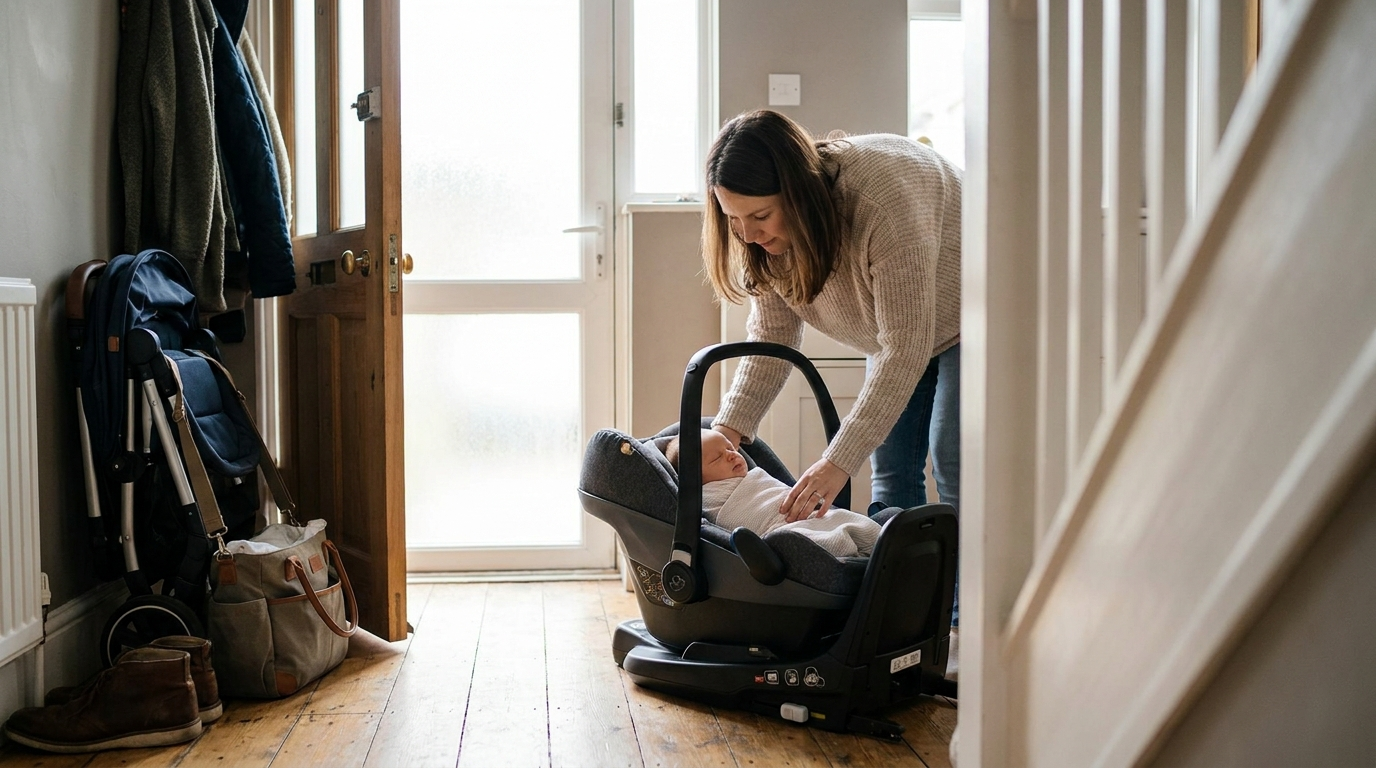
Bringing your baby home from hospital starts with one non-negotiable purchase: a safe, correctly fitted infant car seat. With dozens of models, two different safety standards and a wall of jargon to wade through, it is easy to feel overwhelmed before the baby has even arrived. This infant car seat buying guide cuts through the noise, explaining what actually matters for newborn safety, how to make sure a seat fits your car, and which models we rate for real UK families.
Why the right infant car seat matters from day one
An infant car seat (sometimes called a “Group 0+” or rearward-facing seat) is designed specifically for newborns and small babies, cradling their head, neck and spine in a deeply reclined, rear-facing position. Most UK hospitals will not let you drive away without one, and for good reason: in a collision, a rearward-facing seat spreads crash forces across a baby’s whole back rather than their fragile neck.
Getting this purchase right is less about spending the most money and more about three things: choosing a seat that meets current safety law, making sure it physically fits your vehicle, and installing it correctly every single time. We will cover all three below.
Understand UK safety standards first
Before comparing features or colours, get clear on the rules. In the UK, all children must use an appropriate child car seat until they are 12 years old or 135cm tall, whichever comes first. Car seats are approved to one of two regulations, and you should only ever buy a seat carrying one of these:
- R129 (i-Size): the newer standard, based on a child’s height. i-Size seats include a side-impact test and must be used with ISOFIX. This is what we recommend for newborns where possible.
- R44/04: the older standard, based on a child’s weight (Group 0+ covers roughly birth to 13kg). Still legal, but being phased out as i-Size becomes the norm.
The exact legal detail can change, so for the definitive position always check the GOV.UK child car seat rules rather than relying on a retailer or forum. As a rule of thumb, an i-Size infant seat used with its matching ISOFIX base is the most foolproof choice for new parents.
ISOFIX base or seatbelt installation?
Most infant seats can be fitted in two ways: clicked onto a dedicated ISOFIX base that stays in the car, or secured directly with the adult seatbelt. An ISOFIX base reduces the risk of installation error and makes the daily click-in-and-go routine far quicker, which is why most parents buy the base alongside the seat. If you regularly use taxis, hire cars or grandparents’ vehicles, check that your chosen seat also has a clear, belt-fit method.
How to choose: the features that actually matter
Once you have narrowed down to genuinely safe, standards-compliant seats, these are the practical factors that separate a good buy from a frustrating one.
- Vehicle fit: no seat is “universal” in practice. Check the manufacturer’s fit list for your car’s make, model and year, and ideally try the seat in your vehicle before you commit.
- Travel-system compatibility: if you want to lift a sleeping baby straight from car to pushchair, make sure the seat clicks onto your chosen chassis (with adapters if needed).
- Weight and carrying comfort: you will lug this seat about constantly. A lighter shell and a well-balanced handle make a real difference on the school run or supermarket dash.
- Newborn insert and recline: a good newborn insert and a flat-enough recline support tiny babies who cannot yet hold their heads up.
- Ease of harness adjustment: no-rethread harnesses and clear, audible installation indicators help you get the fit right every time.
- Lifespan: i-Size infant seats are typically used to around 75–87cm or 13–15 months; after that you will move to a convertible or toddler seat.
Our top infant car seat buying guide picks
Here is how a selection of our favourites compare across budgets and needs. Every model below meets current safety standards; the right one depends on your car, your pushchair and how you live.
Best all-rounder: Britax Cypress
The Britax Cypress Infant Car Seat with Alpine Base is a sensible, well-engineered i-Size choice that pairs a comfortable newborn fit with straightforward base installation. At £380 it sits in the practical middle of the market and suits parents who want trusted engineering without the flagship price tag.
Best budget choice: Joie Baby Rue
If you are watching the pennies, the Joie Baby Rue Infant Car Seat with Base at £170 proves a safe newborn seat need not cost a fortune. It is a great pick for second cars, grandparents’ vehicles, or families prioritising value without compromising on compliance.
Best for taxis and city life: Doona+
The Doona+ Infant Car Seat / Stroller and Base is genuinely unique: integrated wheels fold out so the car seat becomes a pushchair in seconds, with no separate chassis to carry. At £650 it is an investment, but for taxi-reliant city parents and frequent flyers it removes a huge amount of faff.
Best for smart safety tech: CYBEX Cloud T
The CYBEX Cloud T Comfort Extend Infant Car Seat with SensorSafe (£650) offers a lie-flat recline when used on its base outside the car and adds SensorSafe chest-clip technology that alerts you via your phone to issues such as the baby being left in the seat. A premium pick for tech-minded parents.
Premium options worth a look
The Bugaboo Turtle Air Shield By Nuna Car Seat + Base Black (£649) is exceptionally lightweight with an integrated sun and privacy shield, making it a favourite for Bugaboo travel-system users. The Clek Liing Infant Car Seat and Base (£500) is a compact, narrow seat prized for fitting three-across and for its load-leg base.
Quick comparison
| Seat | Price | Stands out for |
|---|---|---|
| Joie Baby Rue | £170 | Best value |
| Britax Cypress | £380 | Reliable all-rounder |
| Clek Liing | £500 | Compact, three-across fit |
| Bugaboo Turtle Air | £649 | Lightweight, built-in shield |
| CYBEX Cloud T | £650 | SensorSafe tech, lie-flat |
| Doona+ | £650 | Car seat that becomes a pushchair |
Fitting your seat safely
Even the best seat is only as safe as its installation. A few habits make all the difference:
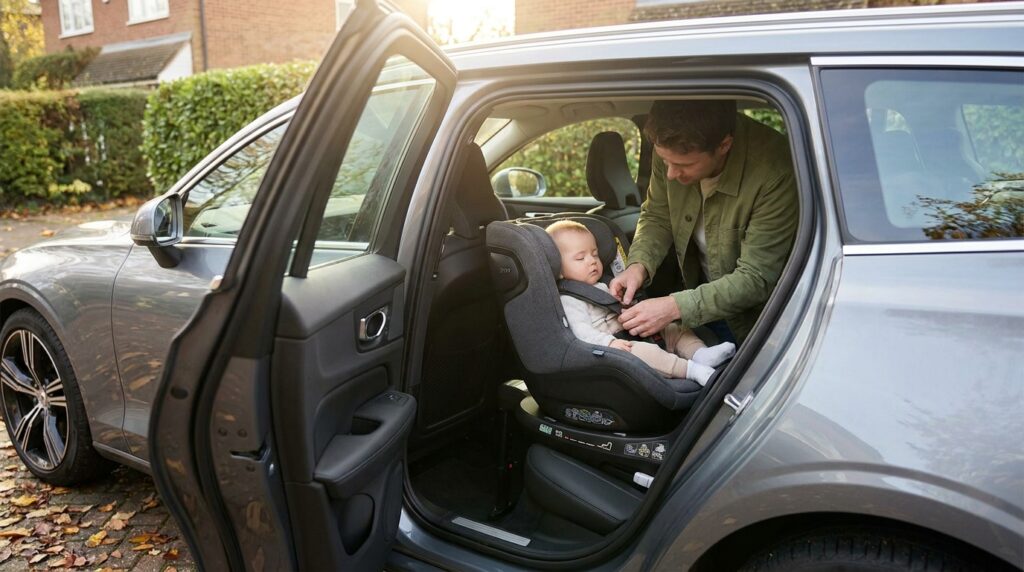
- Always fit an infant seat rearward-facing, and never on a front seat protected by an active airbag.
- Check the base’s load leg (if it has one) sits firmly on the floor, and that indicators show green.
- Position the harness so the chest clip is at armpit height and you can fit no more than two fingers under the straps.
- Remove bulky coats before strapping in; padding compresses in a crash and loosens the harness.
- If in any doubt, many retailers and local services offer a free fitting check — take them up on it.
Newborns should not spend long periods in a car seat. Take regular breaks on longer journeys, and use the lie-flat or pushchair mode for extended time out of the car where your model allows it.
Planning beyond the newborn stage
An infant seat is the first chapter, not the whole story. Within 12–18 months you will move on, so it is worth understanding the road ahead. If you would rather buy one seat that grows with your child, read our guide to Convertible Car Seats: One Seat From Birth to Booster. For what comes much later, see When Does My Child Need a Booster Seat? A UK Guide. And while you are sorting newborn essentials, our Crib vs Bassinet vs Moses Basket guide will help you nail safe sleep at home too.
The bottom line
The safest infant car seat is one that meets current UK standards, fits your car, suits your daily routine, and is installed correctly every time. Choose the standard first, confirm the fit second, and let features and budget guide the final pick. Whether you want value, clever tech or a seat that doubles as a pushchair, there is a right answer for your family.
Ready to find yours? Browse our full range of infant car seats — every order ships with free UK delivery and free 30-day returns, so you can choose with complete confidence.
Frequently Asked Questions
What is the difference between i-Size and R44 car seats?
i-Size (R129) is the newer standard based on your child's height, includes a side-impact test, and uses ISOFIX. R44/04 is the older weight-based standard and is gradually being phased out. For newborns we recommend an i-Size seat where possible.
Do I need an ISOFIX base, or can I use a seatbelt?
Both are valid if your seat supports them. An ISOFIX base reduces installation errors and makes daily clicking in and out much faster. A belt-fit option is handy for taxis, hire cars and grandparents' vehicles where there is no base.
How long will my baby use an infant car seat?
Most i-Size infant seats last until roughly 75-87cm or around 13-15 months, depending on the model. After that you move to a convertible or toddler seat. Always go by your specific seat's height or weight limit, not age alone.
Can I buy a second-hand infant car seat?
It is generally not advised. You cannot verify whether a used seat has been in a collision, and its exact history and expiry date may be unknown. For a newborn, a new seat that you know is undamaged and standards-compliant is the safer choice.
Why can't my newborn travel in the front seat?
An infant seat must never be fitted to a front seat protected by an active airbag, as a deploying airbag can seriously injure a rearward-facing baby. For the full legal position, always check the GOV.UK child car seat rules.