Guides & Advice
The Ultimate Baby Registry Checklist for UK Parents

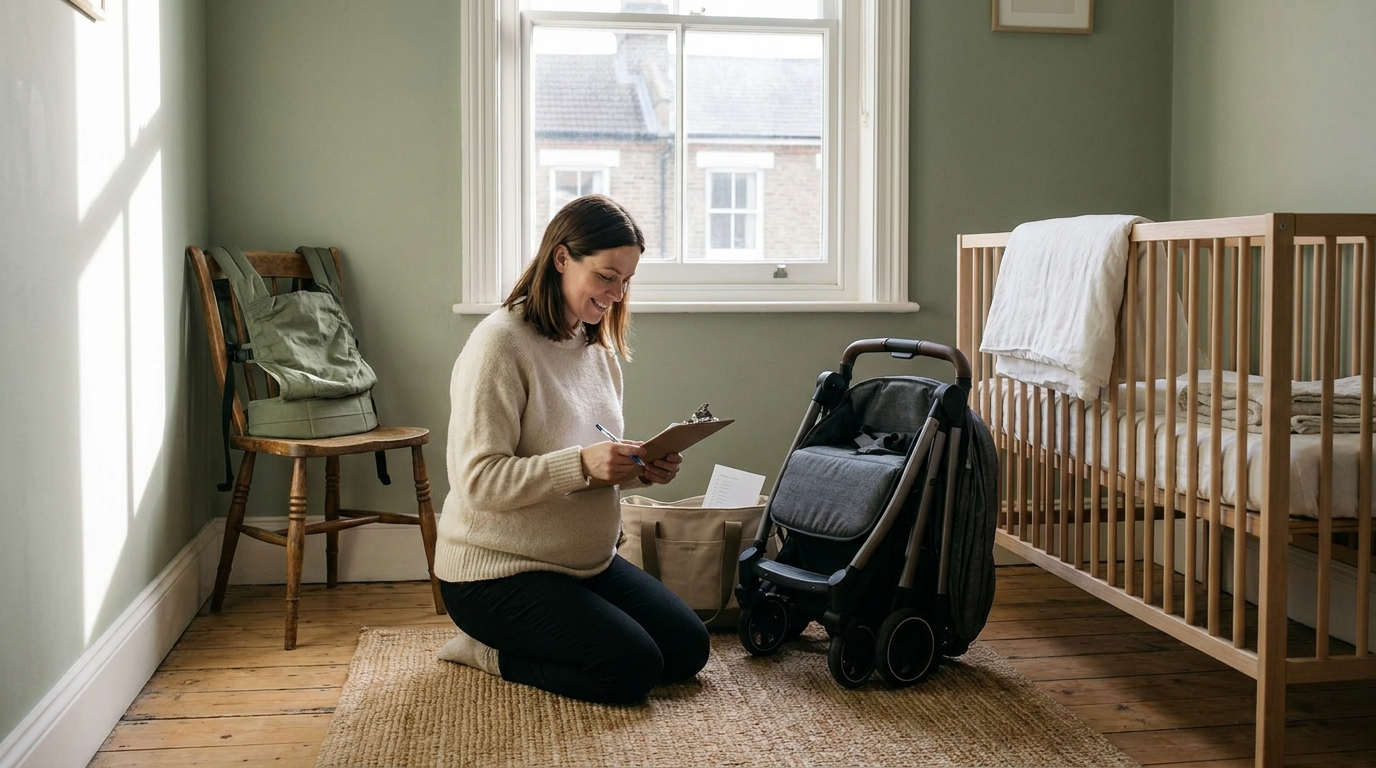
Building a baby registry should feel exciting, not overwhelming — but with thousands of products, conflicting advice and a fair amount of marketing noise, it is easy to lose your way. This baby registry checklist UK guide cuts through the clutter with a clear, room-by-room list of what genuinely earns its place, what you can safely skip, and how to prioritise your spending. Whether you are a first-time parent or topping up for baby number two, use it as a calm, practical starting point.
How to approach your baby registry
Before you add a single item, it helps to think in categories rather than individual products. Babies have surprisingly few real needs — somewhere safe to sleep, a way to travel, a way to feed, and a way to be kept clean and close. Almost everything else is a comfort or convenience that you can add later. A good registry separates the genuine essentials you need from day one from the “nice to have” items friends and family might gift over time.
Prioritise the big-ticket items
The items worth your deepest research are the ones you will use every single day and that carry safety considerations: your pushchair, car seat, and where your baby sleeps. These are also the most expensive, so they are perfect candidates for a registry where several people can club together towards one larger gift. Get these right and the smaller bits fall into place easily.
Buy for the first six months, not the first six years
It is tempting to buy for every stage at once, but your baby’s needs change fast and so do your own preferences. Focus your initial registry on the newborn-to-six-month window, then revisit later for items like high chairs and stage-two carriers once you know your routine.
Your baby registry checklist UK: the essentials by category
Here is the core of your baby registry checklist UK families can work through with confidence. Treat the starred categories as true day-one priorities.
- Travel: a pushchair or buggy, an infant car seat with a compatible base, and a rain cover.
- Sleep: a crib, bassinet or Moses basket, a firm flat mattress, fitted sheets and sleeping bags.
- Feeding: bottles and a steriliser (for formula or expressed milk), bibs, muslins, and a comfortable feeding chair.
- Changing: nappies, wipes, a changing mat, nappy bin, and a changing bag for outings.
- Carrying: a baby carrier or sling for hands-free closeness.
- Monitoring & safety: a baby monitor, a room thermometer, and a basic first-aid kit.
- Clothing: bodysuits, sleepsuits, a pram suit or cardigans for the season, hats and scratch mittens.
Travel: pushchair and car seat
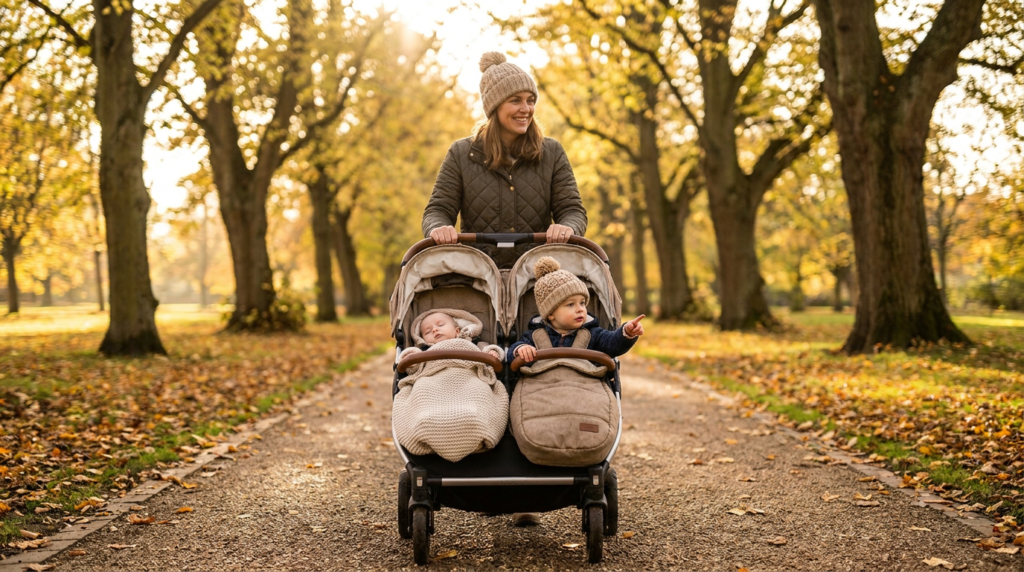
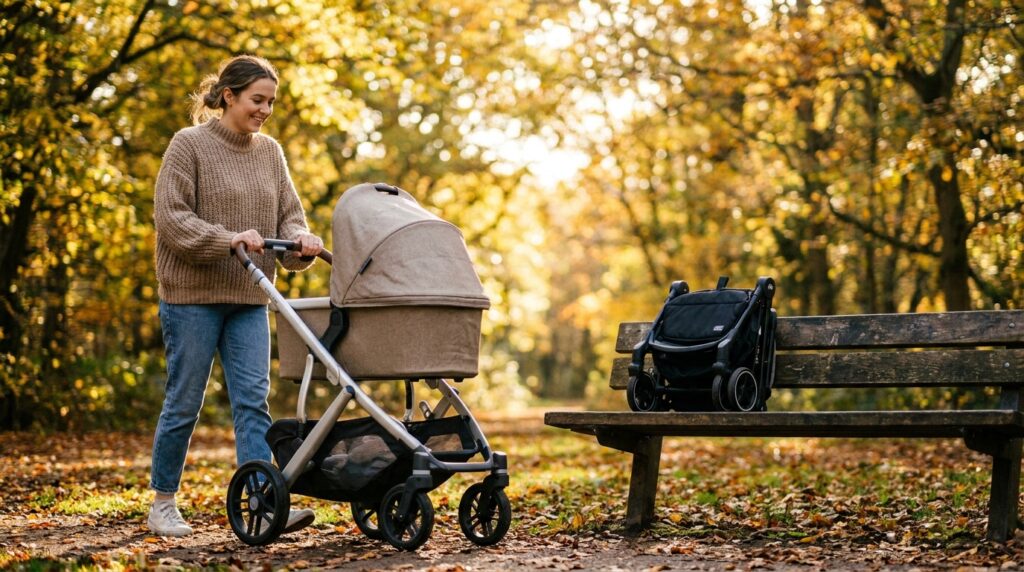
Your pushchair is the workhorse of the early years, so choose for your lifestyle — narrow city pavements, train commutes and boot space all matter. It is worth browsing the full range of strollers and pushchairs to see what suits your home. A nimble, compact buggy like the Bugaboo Butterfly 2 Stroller folds small for flats and travel, while still steering smoothly with one hand. If you are weighing your options, our guides on full-size vs lightweight strollers and the best travel strollers in the UK are worth a read before you commit.
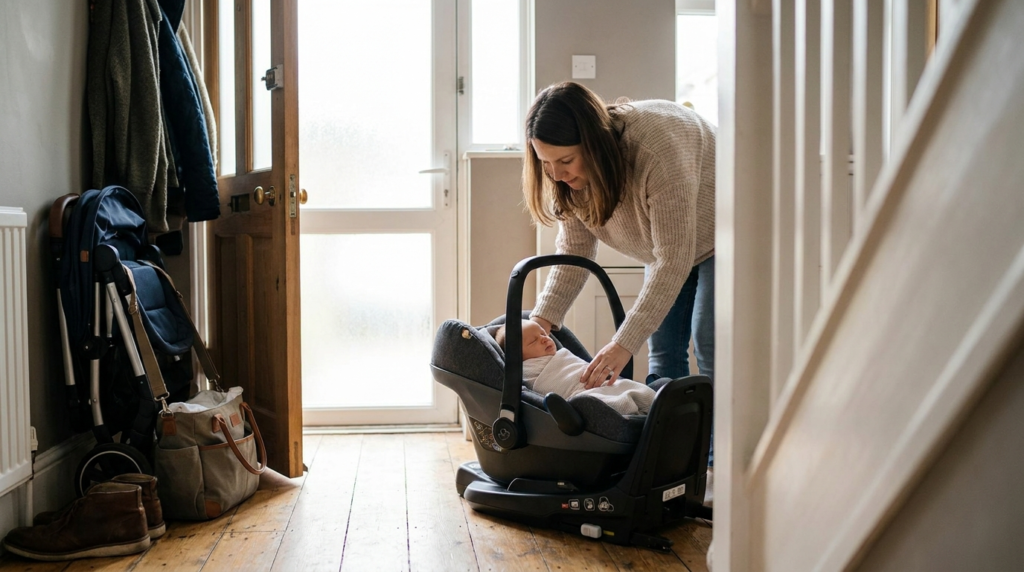
For the car, a rearward-facing infant carrier such as the Britax Cypress Infant Car Seat with Alpine Base is non-negotiable from your very first journey home. An accompanying base lets you click the seat in and out quickly and securely. If you are deciding whether to buy a matching system, our explainer on travel system vs separate stroller and car seat walks through the trade-offs. Always check that any car seat is suitable for your child’s height and weight and is correctly fitted in your specific vehicle.
Sleep: where your baby rests
For the first months, many UK parents keep baby close at night in a bedside crib or bassinet. A gently rocking option like the BabyBjorn Cradle Bassinet suits the newborn stage and a smaller bedroom, while a full crib such as the Maxi Cosi Reid Headboard Crib takes you well beyond those early weeks. Whatever you choose, always follow current safer-sleep guidance from your midwife and trusted organisations such as The Lullaby Trust regarding mattress firmness, bedding and sleep position.
Carrying: a sling or carrier
A good carrier is a genuine sanity-saver for soothing, naps and getting things done. The BabyBjörn Baby Carrier Mini is designed for newborns and smaller babies, with breathable mesh ideal for warmer days and an easy front-facing-in position. Look for a carrier that supports your baby in an ergonomic “M” position with the hips spread and knees higher than the bottom.
Changing on the go
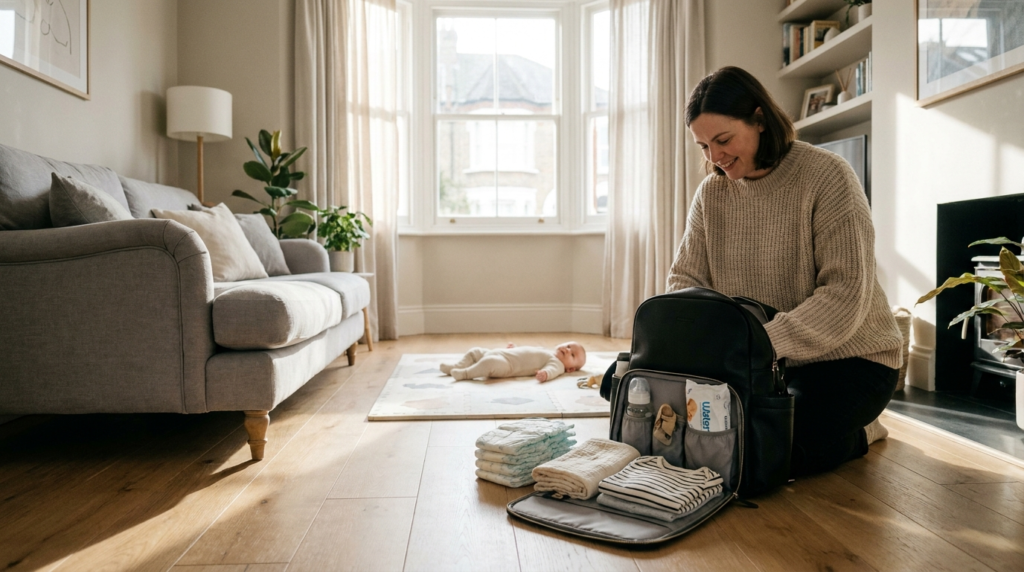
Out and about, a well-organised changing bag keeps nappies, wipes and a spare outfit within easy reach. The 7AM Enfant SoHo Diaper Carryall doubles as a smart everyday bag, so it does not feel like obvious “baby kit” when you are dashing out the door.
Monitoring and peace of mind
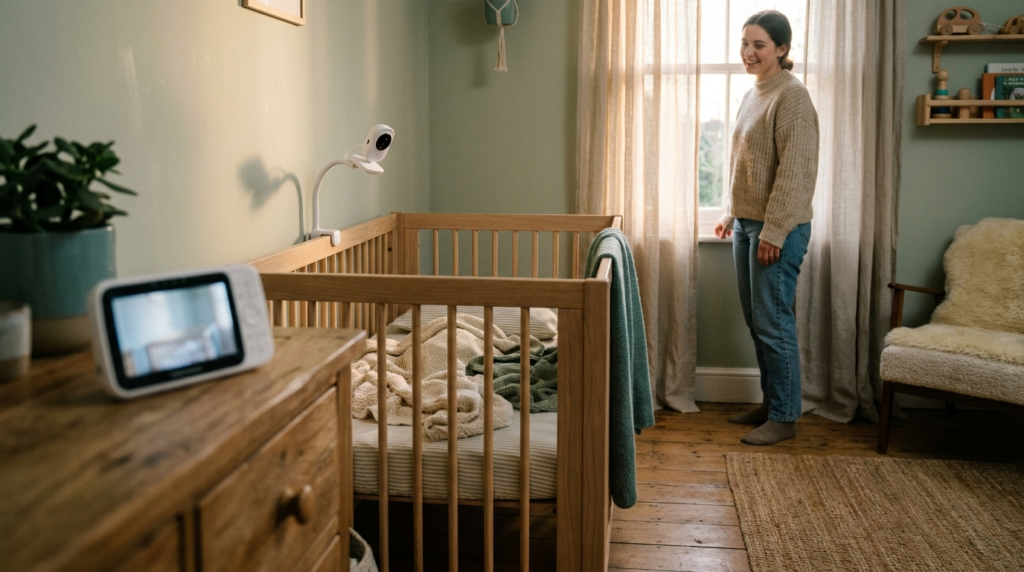
Once baby is napping in their own room, a monitor lets you keep an ear — and often an eye — on them from anywhere in the house. A feature-rich option like the Harbor Baby Monitor offers clear video and reassuring real-time alerts. A monitor is a support, not a substitute for following safer-sleep advice.
What you can add later
Plenty of popular items simply are not needed on day one. Adding them later spreads the cost and means you buy the right size and stage for your actual baby.
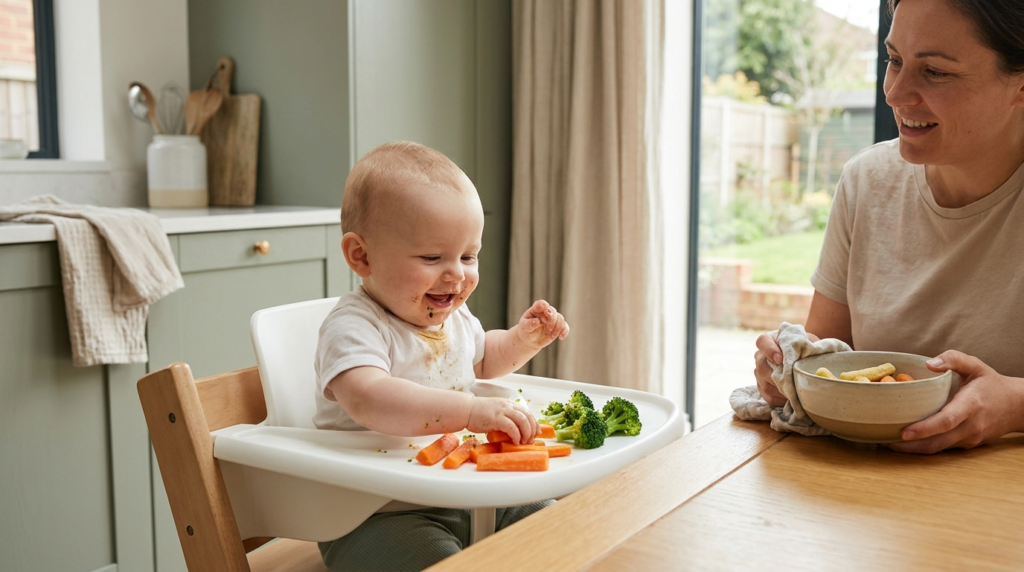
- High chair: not required until around six months when weaning begins. A grow-with-baby seat like the CYBEX LEMO 2 High Chair is worth waiting for.
- Stage-two carrier: upgrade to a larger carrier once your baby outgrows their newborn sling.
- Toys and play gym: newborns need very little entertainment; build this up gradually.
- Bath seat and weaning kit: add these closer to the relevant milestones.
Quick priority comparison
Not sure what to tackle first? This snapshot shows when each big category really comes into play.
| Category | Needed from | Registry priority |
|---|---|---|
| Car seat | Day one (journey home) | Essential |
| Sleep space | Day one | Essential |
| Pushchair | First weeks | Essential |
| Carrier / sling | From newborn | High |
| Baby monitor | When baby sleeps separately | High |
| High chair | Around 6 months | Add later |
Practical tips for a smarter registry
- Check compatibility: confirm your car seat, base and pushchair work together if you want a travel system.
- Mind your space: measure your hallway, boot and bedroom before choosing larger items.
- Spread the cost: list a few big-ticket items so groups can contribute towards them.
- Keep receipts and check returns: a generous returns window gives you room to change your mind.
- Do not over-buy clothing: babies grow quickly, so favour the next size up over piles of newborn outfits.
A registry is a plan, not a contract. Start with the essentials, leave room to learn what suits your baby, and add the rest as you go.
Final thoughts
The best registry is one tailored to your home, your routine and your budget — built around a handful of well-chosen essentials rather than an endless wish list. Get the travel, sleep and carrying basics right first, lean on free returns to fine-tune your choices, and add the convenience items in their own good time. When you are ready to start building yours, browse the full range over at the Millington Baby shop, with free UK delivery and free 30-day returns on every order.
Frequently Asked Questions
What are the true day-one essentials for a UK baby registry?
The genuine must-haves are a rearward-facing infant car seat for the journey home, a safe sleep space such as a crib or bassinet, and somewhere to feed and change your baby. A pushchair follows close behind. Almost everything else can be added later.
When do I actually need a high chair?
Not until your baby is ready to start weaning, usually around six months. Waiting means you can choose the right grow-with-baby seat and avoid storing a bulky item you will not use for half a year.
Should I buy a travel system or separate stroller and car seat?
It depends on your lifestyle and how often you drive. A travel system offers seamless clicking between car and pushchair, while separates let you pick the best of each. Our travel system vs separate guide breaks down the trade-offs in detail.
How many clothes should I add to my registry?
Less than you think. Babies grow quickly and can go through several outfits a day, so favour bodysuits and sleepsuits in a couple of sizes rather than lots of newborn-only pieces. Buying a size up reduces waste.
Is a baby monitor really necessary?
It is not strictly essential, but most parents find a monitor invaluable once baby sleeps in a separate room, offering reassurance from anywhere in the home. Remember it supports, rather than replaces, current safer-sleep guidance.