Guides & Advice
Convertible Car Seats: One Seat From Birth to Booster

Buying a car seat is one of those baby purchases that feels deceptively simple until you open the comparison tabs and drown in jargon: i-Size, ISOFIX, R44, rear-facing, high-back booster. A convertible car seat promises to cut through some of that confusion by doing several jobs in one shell, growing with your child instead of being outgrown in a year. This convertible car seat guide explains exactly how these multi-stage seats work, the features worth paying for, and how a handful of the best models actually compare.
What this convertible car seat guide covers
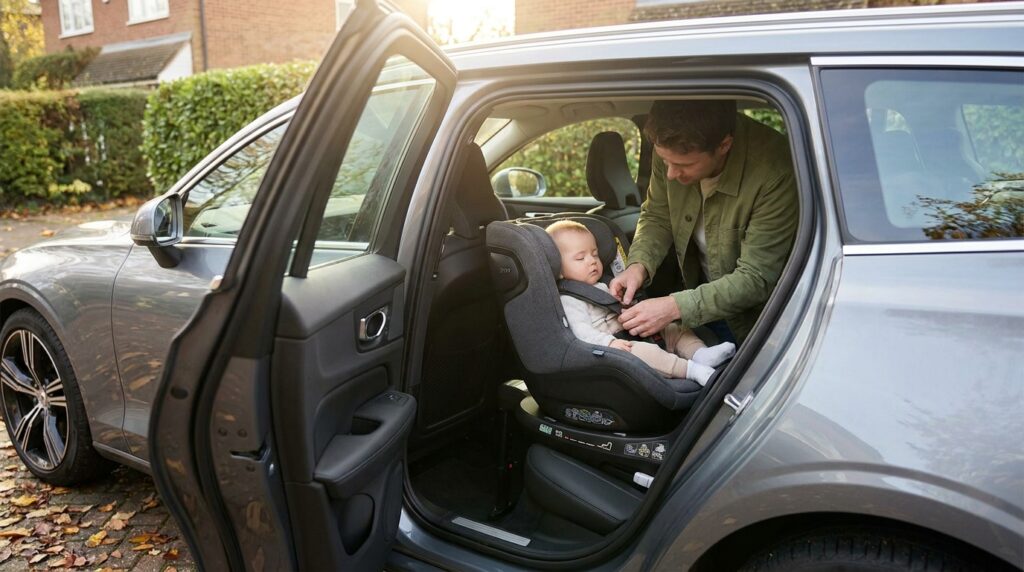
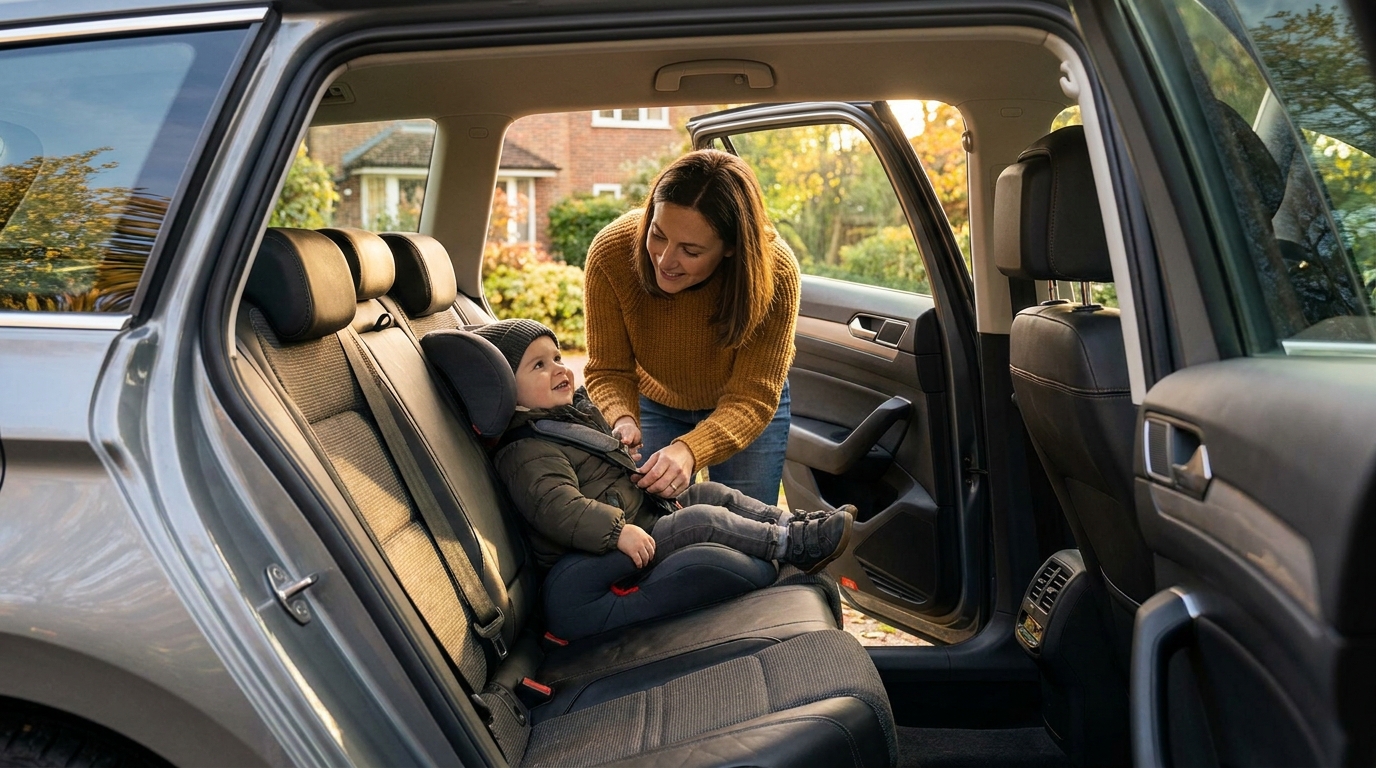
A convertible car seat is a single seat that adjusts through more than one stage of your child’s growth, rather than serving one age band and being replaced. The most common arrangement is a seat that starts rear-facing for a newborn or young baby, then converts to forward-facing for a toddler. Many go further still, becoming a high-back booster for an older child. You will sometimes see the most capable versions marketed as “all-in-one” seats because they aim to cover birth right through to booster.
The appeal is twofold. Financially, one seat that lasts years can work out cheaper than buying an infant carrier, then a toddler seat, then a booster. Practically, it means less faff: you learn one installation method and one harness system instead of relearning the routine every time your child sizes up.
Convertible vs infant carrier: which to start with?
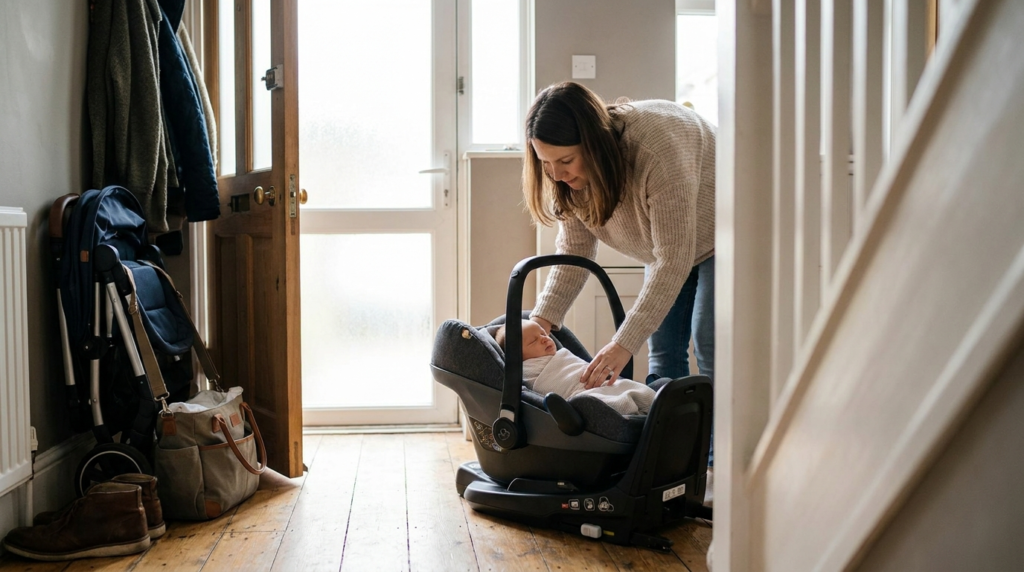
An infant carrier (a Group 0+ seat) clicks out and carries your sleeping baby straight from the car, and clips onto many pushchair chassis to form a travel system. That is genuinely useful in the first months. A convertible seat usually stays fitted in the car instead. Plenty of parents buy a carrier for the newborn stage and a convertible seat to take over once their baby is sitting more securely, while others go straight to a birth-to-booster seat to save money and avoid the early outgrowing. Neither approach is wrong; it depends on how much you carry your baby in and out of the car.
How the law and safety standards work in the UK
Before you compare models, it helps to understand the rules your seat must meet. In the UK, child car seats are approved under one of two standards: the older R44 (weight-based) regulation and the newer i-Size (R129) standard, which classifies seats by your child’s height and includes side-impact testing. New i-Size seats are designed to keep children rear-facing for longer, which is widely regarded as safer for young children’s necks and spines. Rather than paraphrase the legal detail, we always point parents to the official guidance: read the i-Size (R129) regulation overview to confirm the current rules on height, weight and when your child can legally move on.
The headline point for choosing a convertible seat: check the seat’s stated height or weight range against the standard it is approved to, and make sure it suits your child now and for the years you expect to use it.
Key features to weigh up
Once you are comparing seats in the same broad category, the differences come down to a handful of practical features. Here is what genuinely affects daily life and safety.
- Installation method: ISOFIX with a support leg or top tether tends to be quicker and harder to fit incorrectly than a belt-only install. If you move the seat between cars often, fast, reassuring ISOFIX matters.
- Extended rear-facing: seats that keep a toddler rear-facing well beyond the minimum offer better protection for the head and neck. Look at how tall a rear-facing child the seat allows.
- Rotation: 360-degree rotating seats spin to face the door so you can load a wriggling toddler without contorting yourself, then lock rearward or forward. A real back-saver, especially with newborns.
- Recline positions: multiple recline angles help a sleeping baby keep an open airway and keep an older child comfortable on longer journeys.
- Fit in your car: bulky seats can be tight in smaller cars or make fitting three across impossible. Always check the seat’s footprint and your vehicle.
- Washable fabrics: nappy leaks and snack debris are inevitable; removable, machine-washable covers save your sanity.
Our top convertible car seat picks
The right seat depends on your budget, your car and how long you want it to last. These are models we rate across different price points and priorities.
Best all-rounder: rotating convenience
For parents who want the daily ease of rotation, two stand out. The Maxi Cosi Andi 360 Rotating All-in-One Convertible Car Seat (£500) spins to the door and is designed to span from birth through the later stages in one shell, which suits families who want to buy once. If budget allows a step up, the CYBEX Callisto G 360 Rotating All-in-One Car Seat (£700) pairs that same rotate-to-load convenience with CYBEX’s well-regarded engineering and a long usable lifespan.
Best value entry point
If you want a 360-degree spin seat without the premium price tag, the Joie Baby Chili Spin SI Car Seat (£340) is a sensible starting point, bringing rotation and rear-facing travel at a more accessible level. Joie has built a strong reputation for delivering solid safety features at fair prices, which makes this a popular first car seat.
Best for longevity and compact cars
The Britax Poplar Convertible Car Seat (£399) leans into Britax’s heritage of straightforward, dependable fitting and extended rear-facing use, making it a reassuring choice for parents who value simplicity. For families squeezing a seat into a smaller car or fitting three across the back, the famously narrow Clek Fllo Convertible Car Seat (£420) is engineered with a slim footprint and long rear-facing capacity.
Best for the toddler-and-beyond stage
Not every child needs a birth-stage seat; some parents move on from an infant carrier and want a seat built to carry a bigger child onward. The Orbit Baby G5 Toddler Car Seat (£500) is designed for that toddler stage and beyond, with the premium build Orbit Baby is known for.
Quick comparison
| Seat | Price | Stand-out strength | Best for |
|---|---|---|---|
| Joie Chili Spin SI | £340 | Rotation at a low price | Budget-conscious first-time buyers |
| Britax Poplar | £399 | Simple, dependable fitting | Fuss-free extended rear-facing |
| Clek Fllo | £420 | Slim footprint | Small cars / three across |
| Maxi Cosi Andi 360 | £500 | All-in-one rotation | Buy-once families |
| Orbit Baby G5 | £500 | Premium toddler build | Post-carrier toddler stage |
| CYBEX Callisto G 360 | £700 | Engineering + long lifespan | Premium, longest use |
Fitting and everyday tips
Even the best seat only protects your child if it is fitted correctly, and surveys consistently find a worrying number of seats installed wrongly. A few habits make a real difference.
- Read the manual fully before the first install, and check the seat against your specific car model.
- With a harness, pinch the strap at the shoulder; if you can pinch a fold of webbing, it is too loose.
- Keep the chest clip (where fitted) level with the armpits, not the tummy.
- Remove bulky coats before strapping in, then tuck a blanket over the harness for warmth.
- Re-check the support leg and tether tension regularly, as they can loosen with use.
If you are ever unsure your seat fits your car or your child correctly, a retailer fitting check is well worth the few minutes it takes.
Further reading
Choosing a car seat sits alongside several other early decisions. If you are weighing up when your child can move to the next stage, our guide on When Does My Child Need a Booster Seat? A UK Guide covers the rules in plain terms. And if you are still kitting out the nursery, Crib vs Bassinet vs Moses Basket: Newborn Sleep Choices and our Safe Sleep for Babies: How to Set Up the Nursery guide will help you get the early months right.
The bottom line
A convertible car seat is rarely a one-size-fits-all answer, but for many UK families it is the most sensible balance of safety, longevity and value. Decide how long you want one seat to last, measure your car, prioritise the features that matter for your daily routine, and always confirm the legal fit for your child’s height and weight. Get those right and a single, well-chosen seat can genuinely carry your child from their first journey home to their last booster ride.
Ready to choose? Browse our full range of convertible car seats at Millington Baby, with free UK delivery and free 30-day returns on every order.
Frequently Asked Questions
Is a convertible car seat suitable from birth?
Many are, but not all. Birth-to-booster and all-in-one seats are designed to take a newborn rear-facing, while some convertible seats start from the toddler stage. Always check the seat's stated height and weight range before buying.
Are convertible car seats safe?
Yes, provided the seat meets a current UK standard and is fitted correctly. Seats approved under i-Size (R129) include side-impact testing and encourage longer rear-facing use, which is considered safer for young children.
Do I still need an infant carrier if I buy a convertible seat?
Not necessarily. An infant carrier is handy because it clicks out to carry a sleeping baby and clips onto a pushchair, but a birth-to-booster convertible seat can replace it. It comes down to how often you lift your baby in and out of the car.
What does a 360-degree rotating car seat do?
A rotating seat spins towards the car door so you can place your child in without leaning awkwardly across the seat, then locks back into the rear-facing or forward-facing position for travel. It is a real help with newborns and wriggly toddlers.
How long can a convertible car seat last?
It depends on the model, but all-in-one seats are designed to span several years, often from birth into the booster stage. Check the maximum height and weight against the standard the seat is approved to, and follow the manufacturer's stated expiry date.