Guides & Advice
Jogging Strollers 101: How to Run Safely With Your Baby

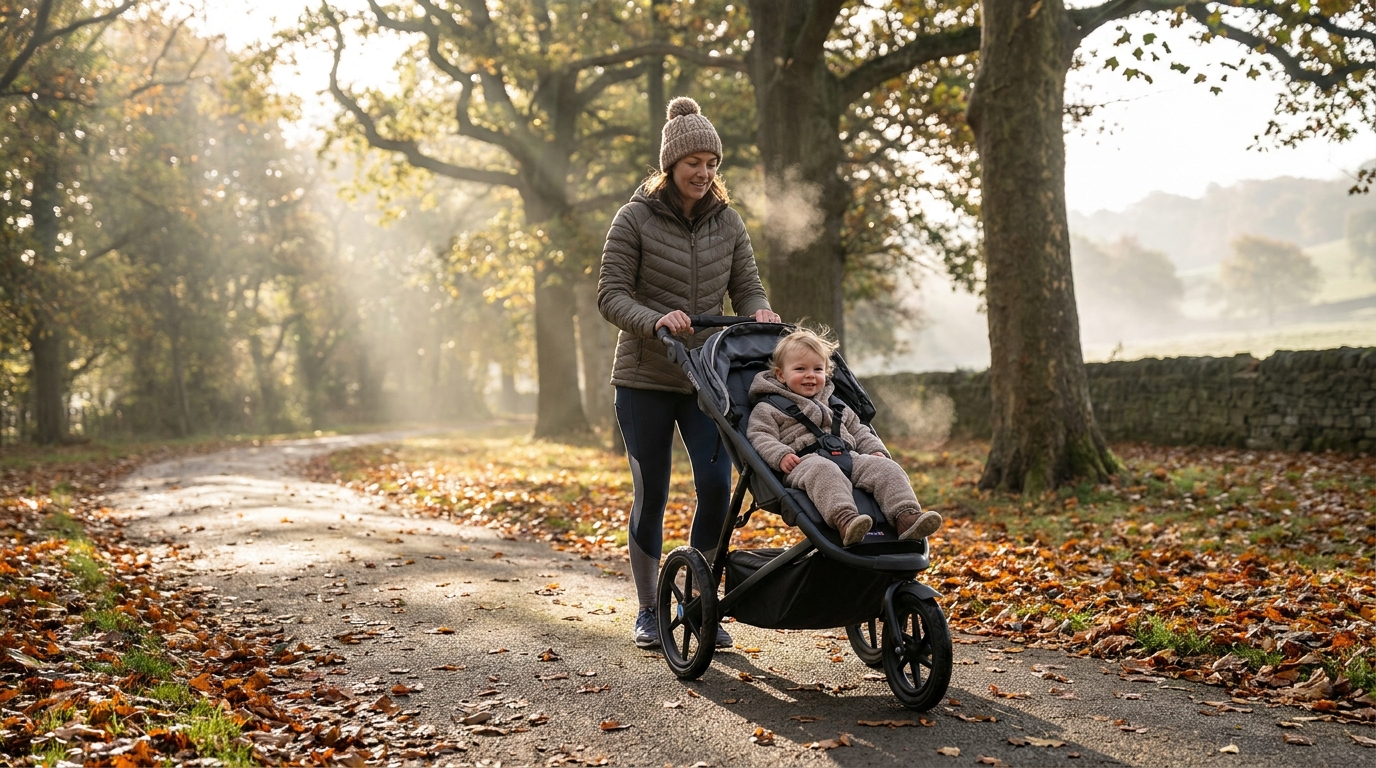
There is something wonderfully freeing about lacing up your trainers and heading out for a run with your little one along for the ride. But a proper running buggy is not the same as your everyday pushchair, and getting the choice right matters for both comfort and safety. This jogging stroller guide walks you through when your baby is ready to ride, the features that genuinely count, and our favourite models so you can pick with confidence.
What makes a jogging stroller different?
A jogging stroller is built for movement. Where a standard buggy is designed for pavements and the school run, a running buggy is engineered to stay stable and smooth at speed. The differences are not cosmetic, they change how the buggy behaves the moment you pick up the pace.
- A fixed (or lockable) front wheel. For running you want the front wheel locked straight so the buggy tracks in a true line and does not wobble or veer. Many models swivel for everyday walking and lock for runs, giving you the best of both.
- Air-filled (pneumatic) tyres. Larger rubber tyres soak up bumps, kerbs and rougher ground, keeping the ride smooth for your baby and easier on your arms.
- A hand brake. A bar or trigger brake lets you control speed on downhills, which a simple foot brake cannot do.
- A wrist strap and robust suspension. The tether keeps the buggy with you if you stumble, and good suspension protects little heads from jolts.
- A reclining, supportive seat. Older babies and toddlers need a secure, padded seat with a snug five-point harness to stay comfortable at pace.
When is it safe to run with your baby?
This is the question every active parent asks first, and it is the most important part of any jogging stroller guide. Newborns and very young babies have not yet developed the neck and head control needed to cope with the repetitive bouncing of running. The widely repeated guidance from manufacturers and physiotherapists is to wait until your baby has strong, independent head control and can sit well supported, which is typically around six months or older. Some brands set their own minimum age for running mode, so always check the manual for your specific model.
From birth, many running buggies can still be used as ordinary pushchairs in walking mode, or with a compatible carrycot or infant car seat adaptor, so the buggy can grow with your family long before you take it for a jog. If you have any doubts about your baby’s readiness, speak to your GP or health visitor first.
Run with the front wheel locked, keep to a steady pace on smooth ground, and always use the wrist tether and harness. If the surface is rough, slow to a walk.
How to choose: the features that matter
Terrain and where you run
Be honest about where you will actually go. Smooth canal paths and tarmac suit lighter buggies with smaller wheels, while trails, gravel and grass call for bigger tyres and proper suspension. If you want one buggy for road and light off-road, a versatile all-rounder is the safest bet.
Fold, weight and your car boot
Running buggies are larger than typical pushchairs, so measure your boot. A quick one-handed fold and a manageable weight make all the difference when you are loading up after a muddy parkrun with a tired toddler on your hip.
Comfort for you and your baby
Look for an adjustable or telescopic handlebar so taller and shorter runners can both keep good posture, plus a deep recline, decent sun canopy and good ventilation for your passenger. A built-in or add-on rain cover is close to essential for British weather.
Storage and extras
A roomy under-seat basket swallows changing bags, water and a spare layer. Handy touches like a snack tray, phone holder or cup holder are nice rather than necessary, but neoprene grips and reflective detailing genuinely help on early-morning runs.
Our top jogging stroller picks
Every model below is a true running buggy, chosen for stability, ride quality and build. As an authorised UK retailer we offer free delivery and free 30-day returns, so you can be sure you are buying the genuine article.
- Best all-rounder: the Thule Urban Glide 3 Jogging Stroller is a long-standing favourite for its smooth ride, twist-to-lock front wheel and integrated hand brake, equally at home on pavements and light trails.
- Best for comfort and the outdoors: the Bumbleride Indie Jogging Stroller pairs air-filled tyres and all-wheel suspension with eco-conscious fabrics, making it a joy on rougher ground.
- Best for serious runners: the BOB Gear Wayfinder Jogging Stroller is built around a rugged frame and big wheels designed to keep their composure mile after mile.
- Best multisport choice: the CYBEX ZENO Multisport is engineered for parents who run and cycle, offering a sporty, lightweight setup at the premium end.
- Best convertible system: the Veer Switch&Jog Jogging Stroller switches between everyday and running setups with a Switchback seat and neoprene grips, ideal if you want one flexible buggy.
- Best modular frame: the Orbit Baby X5 Jogging Stroller Frame lets you build a running setup around the Orbit Baby system you may already own.
Quick comparison
| Model | Price | Best for |
|---|---|---|
| Thule Urban Glide 3 | £800 | Versatile road and light trail all-rounder |
| Bumbleride Indie | £799 | Comfort and rougher outdoor terrain |
| BOB Gear Wayfinder | £680 | Dedicated, rugged running |
| CYBEX ZENO Multisport | £1,500 | Running and cycling, premium |
| Veer Switch&Jog | £899 | Convertible everyday-to-run setup |
| Orbit Baby X5 Frame | £600 | Modular Orbit Baby system owners |
Tips for running safely with your baby
- Lock the front wheel before you run. Swivel mode is for walking only; a locked wheel keeps the buggy tracking straight.
- Always clip the wrist tether. It is your safeguard on slopes and uneven ground.
- Strap your baby in properly. A snug five-point harness every single time, with no twists in the straps.
- Start slow and build up. Begin with shorter, flatter routes and let both of you get used to the rhythm.
- Dress your passenger for stillness. They are sitting still while you warm up, so add a layer, blanket or footmuff and fit the rain cover when needed.
- Check tyre pressure and brakes regularly. Soft tyres make steering harder and the ride less smooth.
- Pack for British weather. Rain cover, water, sun canopy up, and reflective gear for darker mornings.
Buying with confidence
Running with your baby can be one of the most rewarding parts of early parenthood, blending your fitness with priceless time together. Choose a genuine running buggy suited to your terrain, wait until your little one is ready, and follow the safety basics above and you will both look forward to every outing.
If you are also sorting out car travel, our Infant Car Seat Buying Guide and our explainer on convertible car seats from birth to booster are worth a read, alongside the latest on UK car seat laws for 2026.
Ready to find yours? Browse our full range of jogging strollers at Millington Baby, with free UK delivery and free 30-day returns on every order.
Frequently Asked Questions
At what age can my baby ride in a jogging stroller?
Most manufacturers and physiotherapists advise waiting until your baby has strong, independent head control and can sit well supported, typically around six months or older. Always check your specific model's manual, as minimum ages vary, and speak to your GP or health visitor if unsure.
Can I use a jogging stroller as an everyday pushchair?
Yes. Many running buggies have a front wheel that swivels for everyday walking and locks straight for running. Some also accept a carrycot or infant car seat adaptor, so they can be used from birth in walking mode long before you start jogging.
Why does the front wheel need to be locked when running?
A locked front wheel keeps the buggy tracking in a straight line so it does not wobble or veer at speed. Swivel mode is only for slow walking and turning. Always lock the wheel and clip the wrist tether before you run.
What features should I prioritise in a running buggy?
Look for a lockable front wheel, air-filled tyres, good suspension, a hand brake, a secure five-point harness and a wrist strap. An adjustable handlebar, large sun canopy, rain cover and roomy basket add real day-to-day comfort.
Are jogging strollers suitable for off-road and trails?
The better ones are. Models with larger air-filled tyres and full suspension, such as the Bumbleride Indie or BOB Gear Wayfinder, handle gravel, grass and light trails well. Lighter buggies with smaller wheels are better suited to smooth pavements and tarmac paths.