Guides & Advice
Safe Sleep for Babies: How to Set Up the Nursery

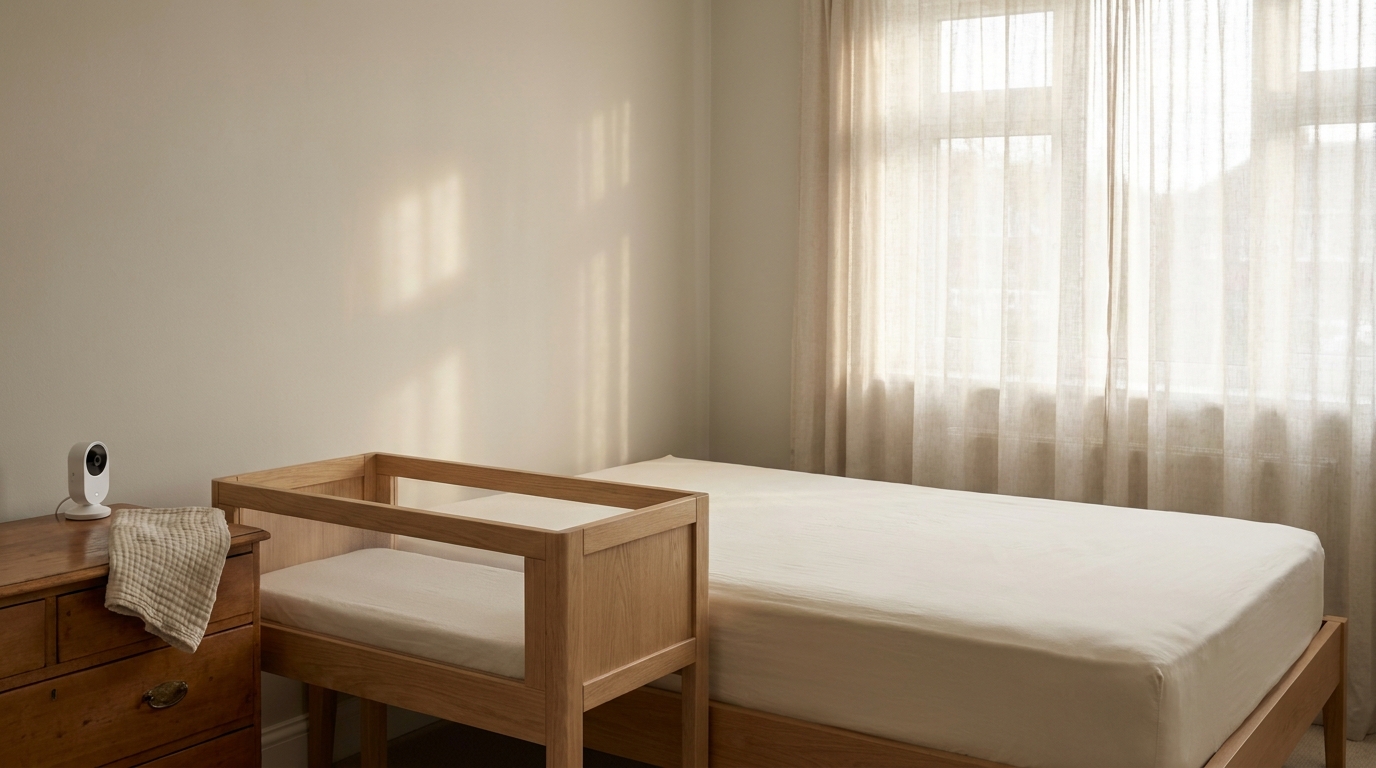
Few things matter more to a new parent than knowing your baby is sleeping safely. The good news is that a genuinely safe sleep space is simpler, and often cheaper, than the catalogue photos suggest. This safe sleep nursery setup guide walks you through the choices that really matter, from where your baby sleeps in the early weeks to the room conditions, the furniture and the things you can happily leave out.
Throughout, we defer to UK authorities on the medical detail. For anything health-related, always check the latest advice from The Lullaby Trust safer sleep advice and the NHS safer sleep guidance, as recommendations are reviewed regularly.
The principles behind a safe sleep nursery setup
Before you buy a single piece of furniture, it helps to understand what you are actually trying to achieve. UK safer sleep guidance is built around a handful of consistent ideas: a clear, flat sleep surface; a comfortable room temperature; and keeping your baby close, particularly in the first six months.
In practice that means the safest sleep space is often quite minimal. A firm, flat, waterproof mattress with a single well-fitted sheet, and nothing else loose in the sleeping area. The instinct to fill a cot with soft, lovely things is completely natural, but a sparse sleep space is the safer one.
Where should your baby sleep?
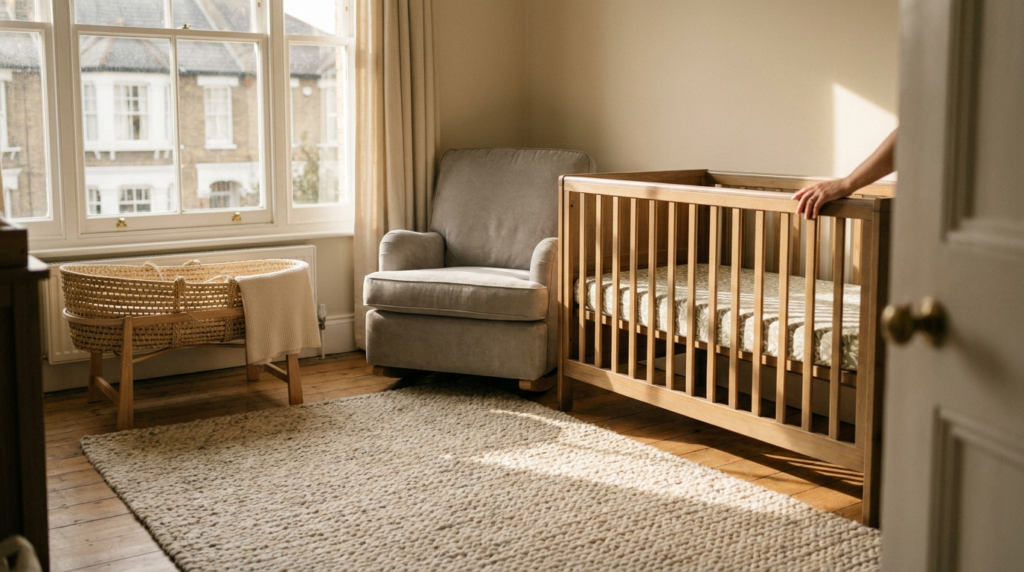
The Lullaby Trust and NHS both advise that the safest place for a baby to sleep for the first six months is in their own clear, flat sleep space (a cot, crib or bassinet) in the same room as you, both day and night. That is why so many UK parents start with a bedside bassinet next to the bed and move to a full-size cot in the nursery later. Your nursery setup can be ready and waiting, even if your newborn spends those early weeks sleeping right beside you.
Choosing the sleep surface: bassinet, crib or cot
Most families use more than one sleep product as their baby grows. Here is how the main options compare for a newborn.
| Type | Best for | Typical lifespan |
|---|---|---|
| Bedside (co-sleeper) bassinet | Keeping baby within arm’s reach in your room; easier night feeds | Birth to roughly 6 months / weight limit |
| Standalone bassinet or crib | A compact sleep space that moves around the home | Birth to roughly 6 months / weight limit |
| Full-size cot or cot bed | The long-term nursery sleep space | From birth (or from a few months) to toddler years |
Whatever you choose, the same rules apply: a firm, flat mattress that fits the frame with no gaps, and only the mattress and a fitted sheet inside. Always use the mattress designed for that specific product, and follow the manufacturer’s weight and age limits, as these are when a baby should move on.
Why bedside bassinets are so popular in the UK
Bedside bassinets (sometimes called co-sleepers) attach to or sit flush against your bed, giving your baby their own separate sleep surface while keeping them within easy reach. They make night feeds and settling far less disruptive, which is no small thing in the newborn weeks. Look for adjustable height to match your mattress, a stable base, breathable mesh sides for airflow and visibility, and a frame that locks securely to the bed.
Our top bassinet picks for a newborn sleep space
These are popular, well-made options we stock, spanning bedside, swivel and portable styles. Choose based on your room, your budget and how you plan to feed and settle at night.
- Snuz SnuzPod5 Bedside Bassinet – Walnut (£299): A British favourite. The bedside mode lets you lower one side to bring your baby right alongside you, and the breathable design and reflux-friendly tilt feature are thoughtful touches for the early months.
- Halo Bassinest Swivel Sleeper 3.0 (£280): The swivel base rotates the sleeper over your bed and back again, which is brilliant if you are recovering from a caesarean or simply want to reach your baby without getting up.
- Maxi Cosi Lora Bedside Bassinet (£280): A sleek bedside option with multiple height settings and a smooth, modern look that blends into both nursery and bedroom.
- BabyBjorn Cradle Bassinet (£300): A beautifully simple standalone cradle with airy mesh sides and a gentle rocking motion driven by your baby’s own movements.
- Chicco LullaGo Anywhere LE Portable Bassinet – Serene (£150): Lightweight and foldable, ideal as a second sleep space downstairs or for visits to family, while keeping a consistent flat surface.
- TruBliss Sweetli Calm Bassinet (£190): A soothing standalone bassinet with gentle motion and sound, designed to help settle newborns in their own clear space.
You can browse the full range on our bassinets page to compare sizes and features side by side.
Getting the room right
Temperature
An overheated room is a recognised risk factor, so room temperature matters. UK guidance suggests keeping the room at a comfortable temperature, generally cited around 16 to 20°C, and dressing your baby in layers you can add or remove rather than heavy bedding. A simple room thermometer (many baby monitors include one) takes the guesswork out of it. For the definitive figures and how to dress your baby, follow the The Lullaby Trust safer sleep advice.
Position and placement
Position the cot or bassinet away from radiators, windows, curtains and blind cords, and clear of anything a growing baby could reach or pull down. Keep the sleep surface flat, and place your baby on their back to sleep, with their feet near the foot of the cot, as advised by the NHS.
Light, sound and a calming feel
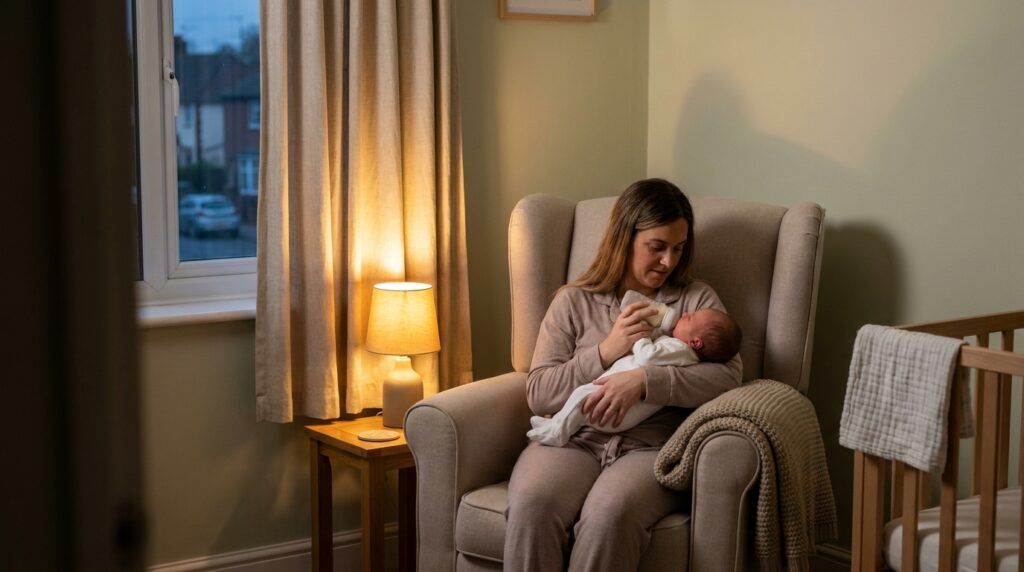
A nursery does not need to be pitch dark, but soft, dimmable lighting helps with night feeds without fully waking everyone. A comfortable feeding chair nearby makes those small-hours sessions far easier; our guide to the best nursery gliders & rockers for night feeds is a good place to start.
What to keep out of the sleep space
This is the part that surprises many first-time parents. For the actual sleep surface, less really is safer. UK safer sleep guidance advises keeping the following out of the cot or bassinet while your baby is sleeping:
- Pillows and duvets
- Cot bumpers
- Soft toys and comforters left in the cot
- Loose or bulky blankets
- Sleep positioners, wedges and pods marketed for the sleep surface
Instead, many UK parents use a correctly sized baby sleeping bag, which keeps a baby warm without loose bedding. Always choose one suited to the room temperature and your baby’s weight, and check the latest advice from the NHS safer sleep guidance before buying.
A clear, flat sleep space with a firm mattress and no loose bedding is the safest setup. When in doubt, take it out.
Planning the wider nursery
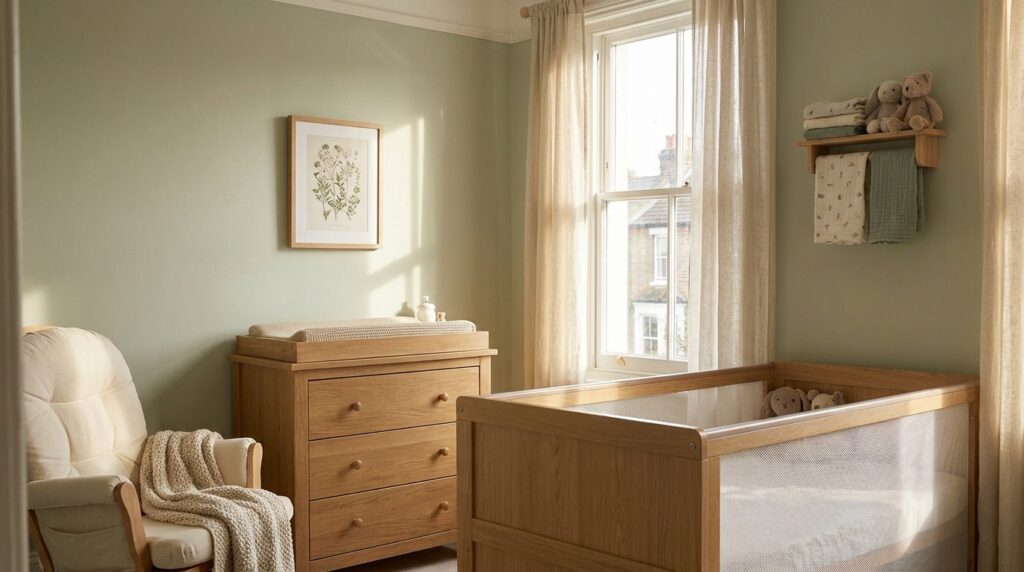
Once the sleep space is sorted, the rest of the nursery is about making life easier: storage for nappies and clothes, a changing area at a comfortable height, blackout-friendly curtains and a chair you genuinely want to sit in at 3am. If you are building the room from scratch, our perfect nursery furniture checklist covers everything in order of priority. And if you are out and about a lot, a comfortable sling can keep your baby close during the day; our baby carriers explained guide breaks down the options.
Conclusion
A safe sleep nursery setup comes down to a few reliable principles: a firm, flat, clear sleep surface, a comfortable room temperature, and keeping your baby close in those early months. Get those right and you can enjoy decorating the rest of the room knowing the foundations are sound. When you are ready to choose a sleep space, explore our full collection of bassinets, with free UK delivery and free 30-day returns on every order.
Frequently Asked Questions
Where should my newborn sleep for the first six months?
UK guidance from The Lullaby Trust and the NHS advises that the safest place is your baby's own clear, flat sleep space, such as a cot, crib or bassinet, in the same room as you for both daytime naps and night-time sleep for the first six months.
What should go inside the cot or bassinet?
Just a firm, flat mattress that fits the frame with no gaps, plus a single well-fitted sheet. Keep pillows, duvets, cot bumpers, soft toys and loose blankets out of the sleeping area.
What room temperature is best for safe baby sleep?
A comfortable room temperature, commonly cited as around 16 to 20u00b0C, helps avoid overheating. Use a room thermometer and dress your baby in light layers. Always confirm the current figures with The Lullaby Trust.
Is a bedside bassinet safer than a standalone crib?
Both are safe when used correctly with the right mattress and within the weight and age limits. Bedside bassinets simply make it easier to keep your baby within arm's reach for night feeds while they sleep on their own separate surface.
Can I use a baby sleeping bag instead of blankets?
Yes. A correctly sized baby sleeping bag keeps your baby warm without loose bedding in the cot. Choose one suited to the room temperature and your baby's weight, and follow the NHS safer sleep guidance.