Guides & Advice
How to Build the Perfect Nursery: Furniture Checklist

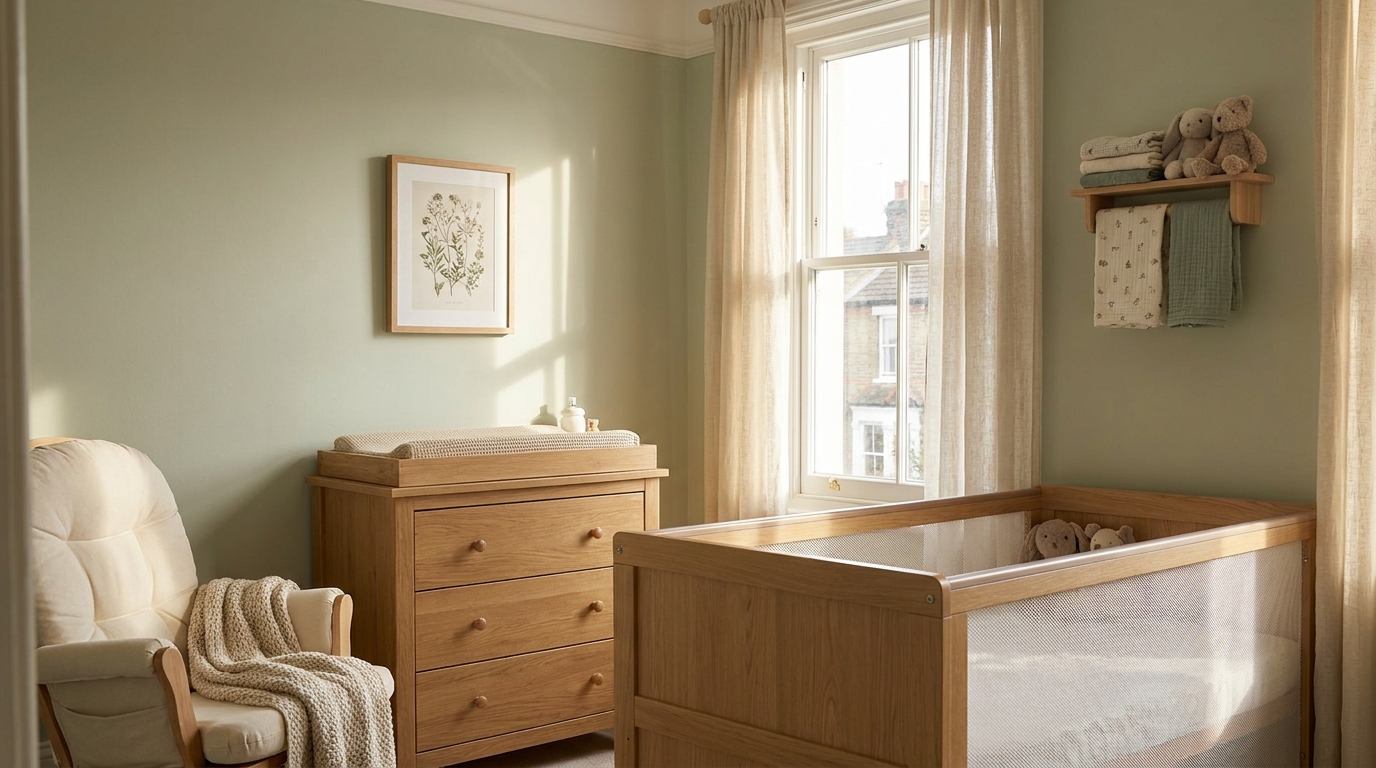
Putting a nursery together is one of the most exciting parts of getting ready for a baby, but it can also feel overwhelming once you start adding things to a basket. The good news is that you need far less than the internet would have you believe. This nursery furniture checklist walks you through the genuine essentials, the worthwhile extras and the bits you can happily skip, so you can build a room that is safe, calm and lovely to spend time in at 3am.
Start with how the room will actually work
Before you choose a single piece, think about the three things you will repeat thousands of times in the first year: feeding, nappy changes and sleep. A good nursery is really just three comfortable, well-lit stations for those jobs, arranged so you are not crossing the room half-asleep with a baby in your arms. Sketch your room, mark the window, radiator and door, and place furniture around the natural flow rather than against whichever wall looks neatest.
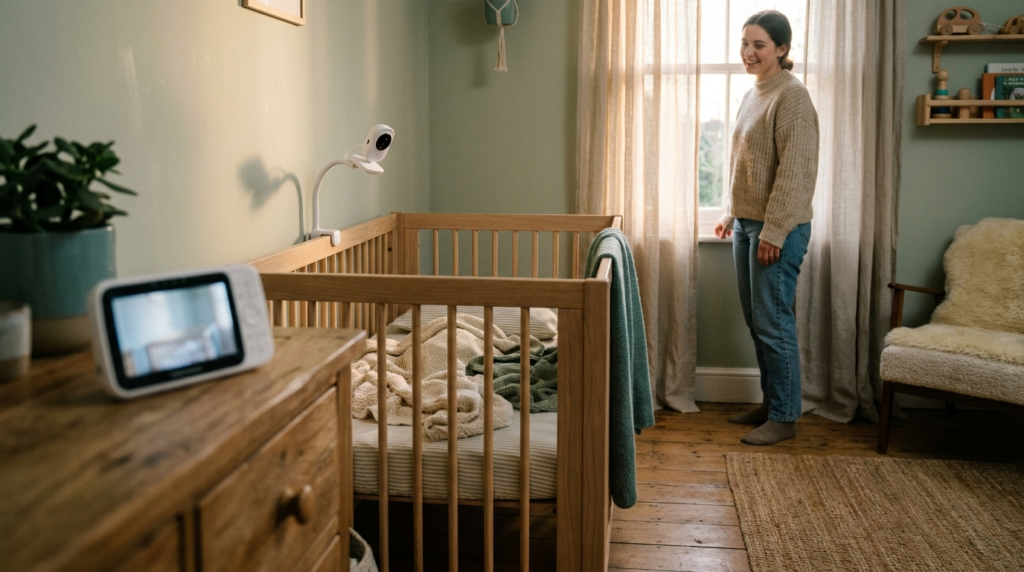
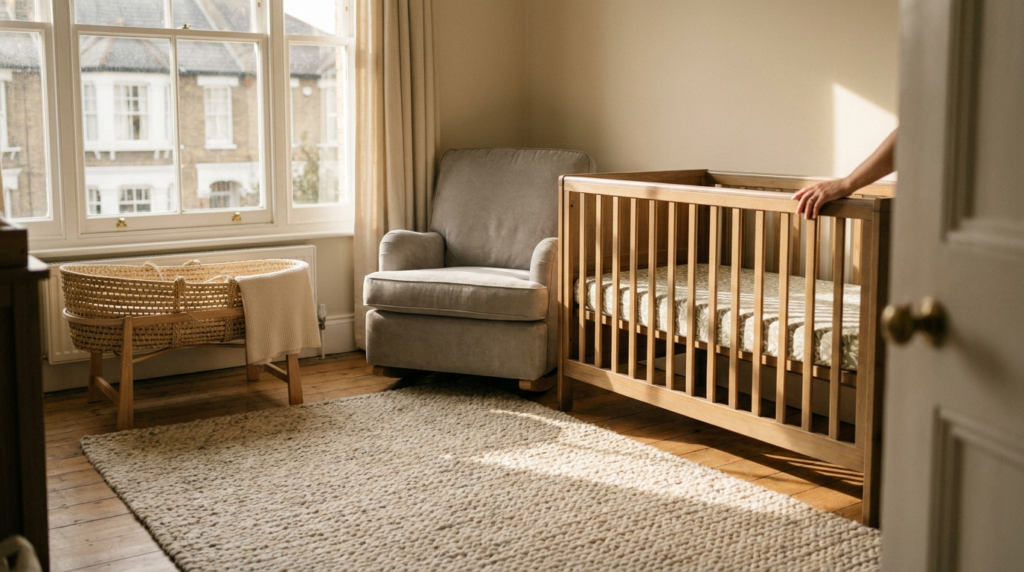
Keep the cot away from radiators, windows, blind cords and anything climbable. Position your feeding chair near a soft lamp and a surface for a glass of water and a muslin. Put the changing area within arm’s reach of nappies and clean clothes so you are never reaching away from your baby.
Nursery furniture checklist: the non-negotiable essentials
If you buy nothing else, buy these. Everything else on this nursery furniture checklist is built around them.
- A cot or cot bed — your baby’s main sleep space. A cot bed converts to a toddler bed and earns its keep for years.
- A firm, well-fitting mattress — bought new, sized to leave no gap at the edges. This matters more than the cot itself.
- A dresser or chest of drawers — storage plus, with a changing mat on top, a sturdy nappy-change station that doubles as long-term furniture.
- A comfortable feeding chair — a glider or recliner saves your back and shoulders during long night feeds.
- Blackout window covering — the single cheapest upgrade to daytime naps and early-summer mornings.
- Soft, layered lighting — a dimmable lamp so you can tend to your baby without a harsh ceiling light waking everyone.
Why the dresser does the heavy lifting
A changing table on its own is bulky and you will outgrow it in roughly a year. A solid dresser with a removable changing tray on top is the smarter buy: it handles nappy changes now and becomes the clothes and toy store for the whole of childhood. Look for deep, smooth-gliding drawers, anti-tip hardware, a wall-anchor strap in the box and a stable top wide enough for a standard changing mat.
For a calm, premium look that lasts, the Maxi Cosi Quiet Luxury 7-Drawer Dresser offers generous storage with soft-close drawers, while the Maxi Cosi NorCal Double Dresser gives you a wider top that is ideal for a changing mat with room to spare. If natural materials matter to you, the Naturepedic Savona Kids FSC Certified Oak Chest of Drawers is made from FSC-certified oak. For roomy, everyday storage with a clean modern look, the dadada Austin 5-Drawer Dresser gives you five generous drawers without taking over the room.
Why a proper feeding chair is worth it
New parents underestimate how many hours they will spend sitting and feeding. A dining chair or perching on the edge of the bed quickly takes a toll on your back, neck and patience. A dedicated glider or recliner with good lumbar support, padded arms at the right height for cradling, and a smooth rocking motion makes night feeds genuinely calmer.
If you want luxury and convenience, the Storytime by Best Chairs Bilana Power Swivel Glider Recliner reclines and swivels at the touch of a button, which is a small miracle when you have a sleeping baby on your chest. For a slimmer footprint and a softer price, the Anza Swivel Recliner delivers the same supportive glide in a more compact frame. For more on choosing between styles, see our guide to the best nursery gliders and rockers for night feeds.
The worthwhile extras
None of these are essential on day one, but most parents end up wanting them. Add them as budget and space allow.
- Baby monitor — audio is enough for many families; video and breathing-tracking versions add reassurance if you want it.
- Wardrobe or open shelving — hanging space for the inevitable gifted outfits and seasonal layers.
- Nursing footstool — pairs with your glider to take pressure off your lower back during long feeds.
- Bookcase or low shelf — starts the bedtime-story habit early and keeps soft toys off the floor.
- Soft rug — warmth underfoot and, later, a comfortable spot for tummy time and play.
- Blackout-friendly nightlight — enough glow to change a nappy without fully waking your baby.
What you can skip (or buy later)
Plenty of “must-have” nursery items quietly gather dust. You can comfortably leave these off your list for now: a standalone changing table, a full nappy-disposal system, a wipe warmer, a cot bumper (current safer-sleep advice is for a clear cot), and an oversized toy box for a newborn who cannot yet play. Buy these only if and when you actually find you need them.
Key features to compare before you buy
When you are weighing up similar pieces, these are the details that separate furniture that lasts from furniture you replace in two years.
| Piece | Look for | Avoid |
|---|---|---|
| Cot / cot bed | Converts to toddler bed, solid construction, adjustable mattress base | Drop-side mechanisms, wide slat gaps |
| Mattress | New, firm, exact fit for the cot, removable washable cover | Second-hand, soft or ill-fitting |
| Dresser | Anti-tip strap included, soft-close drawers, stable wide top | Top-heavy frames, flimsy drawer runners |
| Feeding chair | Lumbar support, smooth glide, arm height for cradling | Hard arms, wobble, no back support |
Safety and standards
Always anchor tall furniture to the wall, keep the cot clear of cords and soft bedding, and buy a new, correctly sized mattress. For up-to-date guidance on cot safety, safer sleep and the relevant UK and British safety standards, defer to authoritative sources such as your retailer’s product safety information and recognised baby-safety organisations rather than anecdotes online. If in doubt, ask before you buy.
A simple order of buying
Spread the cost and the decisions over your pregnancy with this rough sequence:
- Cot and mattress first — these take the longest to choose and may have lead times.
- Dresser and changing setup next, so your storage is ready before clothes arrive.
- Feeding chair before the third trimester, while you can still test the comfort properly.
- Blackout blinds, lighting and the soft extras last, once the big pieces are in place.
If you are also planning how you will carry and feed your baby beyond the nursery, our guides on baby carriers explained: wraps, slings and structured carriers and choosing the right high chair for baby-led weaning are useful next reads as your baby grows.
Bringing it all together
A perfect nursery is not the one with the most furniture, it is the one that makes feeding, changing and settling your baby easier. Start with the essentials, choose pieces that grow with your child, anchor everything safely, and add the extras at your own pace. Get those foundations right and the room will serve you calmly through every nap, growth spurt and bedtime story for years.
Ready to start? Browse our full range of nursery furniture to find dressers, gliders and storage that tick every box on the checklist, with free UK delivery and free 30-day returns on every order.
Frequently Asked Questions
What furniture do I actually need for a nursery?
The true essentials are a cot or cot bed, a new firm mattress that fits it exactly, a dresser or chest of drawers that doubles as a changing station, a comfortable feeding chair, blackout window covering and soft, dimmable lighting. Everything else is optional.
Do I need a separate changing table?
Usually not. A sturdy dresser with a changing mat or removable tray on top does the same job and keeps earning its place as long-term storage once nappy changes are behind you, which makes it a much better value buy.
Is a glider or recliner really worth it for night feeds?
For most parents, yes. You will spend many hours feeding in the first year, and a supportive glider or recliner with good lumbar support and padded arms protects your back and makes night feeds far calmer than a dining chair or the edge of the bed.
When should I buy my nursery furniture?
Choose your cot and mattress first as they can have longer lead times, then sort your dresser and changing setup, then test and buy your feeding chair before the third trimester. Leave blinds, lighting and soft extras until last.
How do I keep nursery furniture safe?
Anchor tall furniture such as dressers to the wall with the supplied strap, keep the cot clear of cords, bumpers and loose bedding, and always use a new, correctly sized firm mattress. For detailed safety guidance, defer to recognised baby-safety organisations and product safety information.